

Or “How I Learned to Stop Worrying and Love snapd!”
I never thought I’d write about this now, but as a longtime Linux user, I got by using packages in my distro’s default repositories, the AUR, Flatpaks, and the occasional AppImage here or there. When anyone so much as mentioned using Canonical’s Snaps, I usually turned up my nose at the very idea for one reason or another.
Now here I am with more Snaps installed on my Arch Linux machine than ever.

I know it’s not much, but I’m honestly extremely pleased with Snaps on my system in day to day use. I never thought I’d like them anywhere near this much, either.
You Didn’t Like Snaps Before?
If I go back to 2020, the time I started to use Linux again, I was running Kubuntu for a short while. I didn’t know much about how the landscape in Linux had changed since the late-2000s. I had no clue what a Snap or a Flatpak even were, but I knew they were necessary to install other popular packages such as Spotify. Honestly, when running Spotify on Kubuntu, the easiest and default option was Snap. I installed it, ran it, and didn’t think twice about it.
But after moving to Arch Linux some time later, I started to see a lot of discourse surrounding Snaps and why they were supposedly bad. The complaints I usually read about them concerned the following:
- Snaps were somewhat slower since they were sandboxed packages.
- Canonical, the company behind Ubuntu, was seen as shoehorning Snaps anywhere they could on Ubuntu, which proved unpopular when they made the Firefox Snap default over the Debian package.
- There was an appeal to purity based on how Snaps weren’t open enough because one aspect of the Snapcraft store or another couldn’t easily be accessed or seen.
The third point was usually a point of contention to many users. It even led to distros such as Linux Mint, an Ubuntu-based distro, making Flatpaks the default for supplemental packages while going out of their way to make using Snaps harder.
As a result, Flatpak seemed to be more than enough for me. Whenever given the choice to install something from Snap or Flatpak, I would always go with Flatpak. Every single time. If there was no Flatpak, I’d look for an AppImage and make do with that. Otherwise, I’d just forego whatever it was.
What Changed Your Mind?

They came for my Obsidian installation.
I had used Obsidian via Flatpak for years now. No issues ever. However, that eventually changed. One day, Obsidian stopped launching on my Arch system. I spent countless, fruitless hours troubleshooting, but I assumed some recent update screwed up my setup at first. Maybe an update a week or two later would fix everything?
That never happened. Months later, the Flatpak install of Obsidian would fail to start every single time. It was annoying, but I got by with an AppImage of Obsidian for a while. Unfortunately, it wasn’t the latest Obsidian version whenever I downloaded it, while the Flatpak package was on the latest and greatest. Updating AppImages isn’t always the smoothest process either.
Still, it wasn’t just Obsidian. Whatever happened to my Obsidian Flatpak started affecting most of my other Flatpak images as well. Little apps here and there such as Upscayl stopped opening altogether as Flatpaks, but the AppImage worked okay.
I knew something was wrong with my Flatpak setup, but I ran into two issues when troubleshooting:
- Many Flatpaks would segfault with little useful information when I tried running them. What was I supposed to start troubleshooting if I couldn’t get a useful error output?
- A few Flatpaks worked just fine for whatever reason? What were those Flatpaks doing that the other ones weren’t?
Attempts to update, reinstall, or clean my Flatpak setup failed entirely. I wasted countless hours hoping workarounds or tweaks would make my Flatpaks just work again. No dice. The same Flatpaks failed or were unaffected entirely. I couldn’t isolate what the real issue was on my Arch system. Even now, months and months later, it’s still a complete mystery.
I did get by using AppImages, but as I stated, I’m not the biggest fan of updating them. But as I cleaned up my Nextcloud folder a few weeks later, I recalled that my Nextcloud was a Snap package running on Ubuntu server. Despite everything, that was working just fine.
If a Snap worked just fine on my Ubuntu server, what was wrong with using them on Arch?
Switching to Snaps
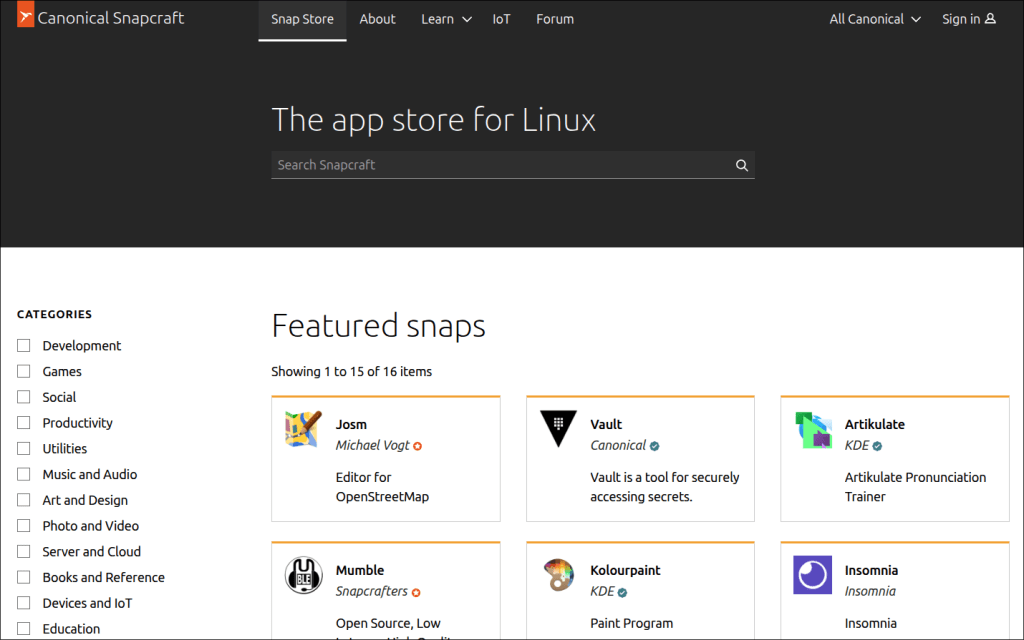
Realizing I had little to lose, I decided to throw caution to the wind and try the Obsidian Snap first, especially considering the AppImage package was a version number behind.
Imagine my surprise when I ran the Obsidian Snap.
- The package ran perfectly with no noticeable speed issues.
- It worked with my Obsidian Sync setup with no problems.
- Unlike the AppImage, the Snap was on the latest available version.
No compromises!
I didn’t stop there. I was working on getting Mailspring to work again using a Snap, but I found myself curious enough to try BlueMail, especially considering it has a built-in calendar app (and I’ve been looking for a better Linux calendar app for a while now). Upscayl finally works again without a segfault, too!
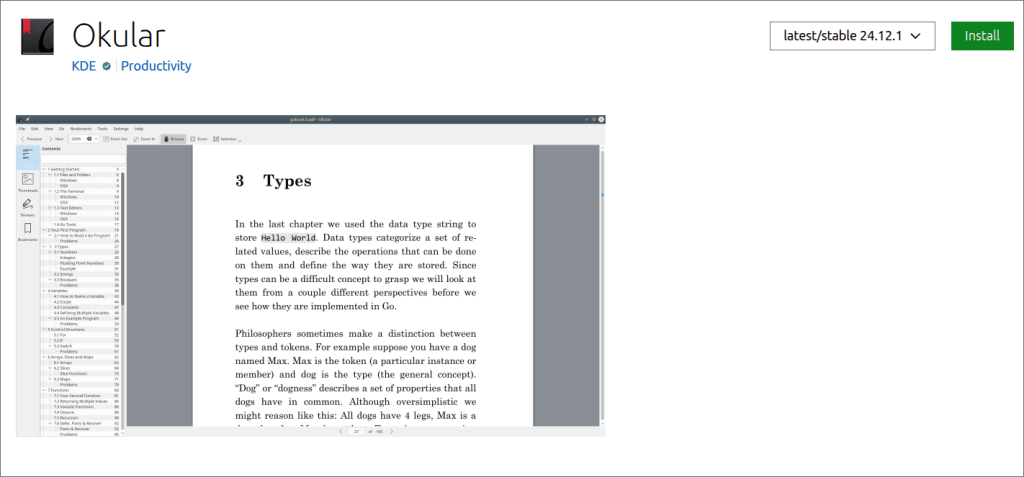
I was even finally able to get my beloved Okular to run again without issues using the Snap install. Getting it to run on my Hyprland setup from the default repos gave me occasional issues, so it was beautiful to finally run Okular without compromises once again. I know there are so many other programs for viewing PDFs and highlighting, but Okular has always been my favorite for so many reasons.
Installing Snaps from the Terminal is, well, a snap! Just like installing Flatpaks, it’s only a matter of typing something like the following:

I know I have that message about my $PATH, but I haven’t experienced issues running any of my Snaps at this time. Still, I would go as far as saying that installing Snaps from Terminal is somehow even more straightforward than it is with installing Flatpaks the same way.
Are There Any Drawbacks?

I haven’t seen any significant or noticeable cons to using Snaps. I’m so happy with the ones I’ve installed where Flatpak failed that I started to replace several Flatpaks entirely, regardless of whether they worked or not. I’ve even started to erase AppImages from my installation folder, replacing some of them in favor of Snaps.
The best part is that I’ve started to browse the Snap store and search for new software I never would have heard about otherwise, trying it out for the first time to see what it can do. It already happened with the aforementioned BlueMail, for starters. What else can I find that runs this nicely thanks to Snap?
Honestly, I feel like I missed out not running any Snaps on desktop since 2020. Maybe I should have tried them out myself instead of believing all the negative things others said about them blindly. I thought it would only start with me finally having Obsidian back, but now I’m actively excited to discover new software through Snapcraft.
Do you like using Snaps? Or do you prefer getting your packages elsewhere? If so, do you like the default repositories, or are you more of a Flatpak or AppImage user? Maybe you don’t like Snaps at all? If so, why? Feel free to comment. I’d love to know what others think about this subject these days.
 Sudo Science
One response to “An Arch User Learns to Love Snaps”
[…] 详情参考 […]
LikeLike