
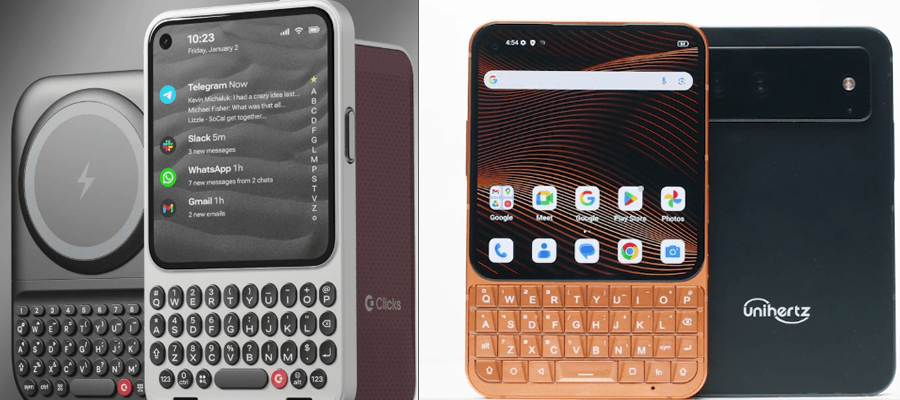
I’m already using a Clicks keyboard on my current Pixel 9, and I am mostly satisfied with how my Pixel 9 has performed so far. Despite that, however, I was excited to see the upcoming announcements from Clicks: the Power Keyboard and the Communicator.
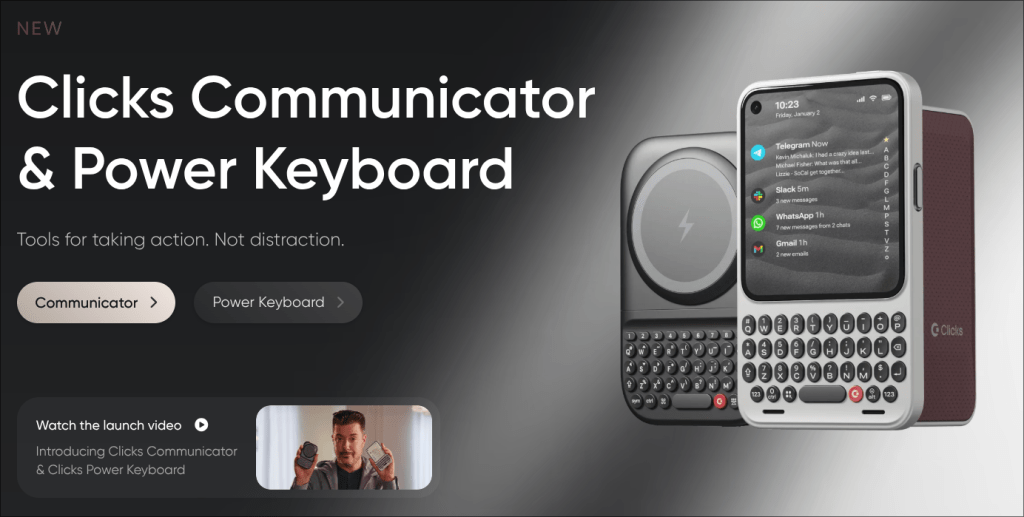
That said, the Power Keyboard looks much less interesting to me than the Communicator. I know that the Power Keyboard is designed to attach to any modern phone, top off your Qi-compatible phone with extra power, and slide down like a BlackBerry Priv, bringing a PKB (physical keyboard) to nearly any device. Regardless, I still think the added thickness would be a deal-breaker for me.
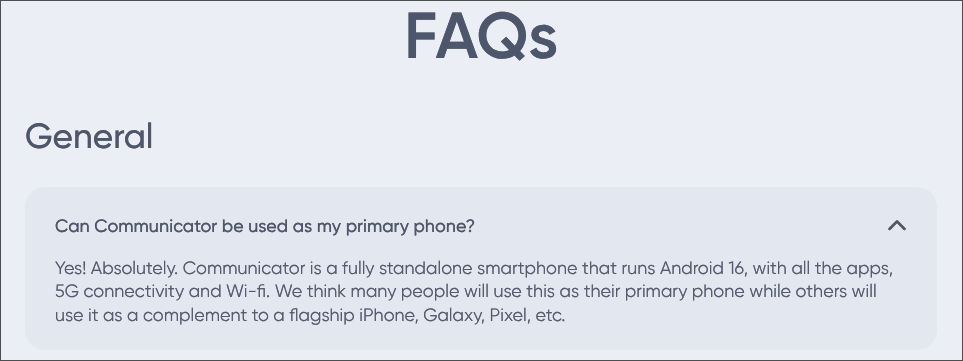
The Communicator looks like the real star of the show, and that’s also despite how the marketing keeps pushing it as a “secondary” phone and companion device to a flagship. It took a lot of people asking in the YouTube comments on the launch announcement (and probably on social media as well) for the site to add to the FAQ that yes, the Communicator can be used as a primary phone. Thankfully that is the case, as the idea of swapping SIMs repeatedly or having to pay for another line seems unappealing.
That said, I was ready to drop money on an early bird pre-order myself. However, I hesitated once I heard about the upcoming Unihertz Titan 2 Elite.
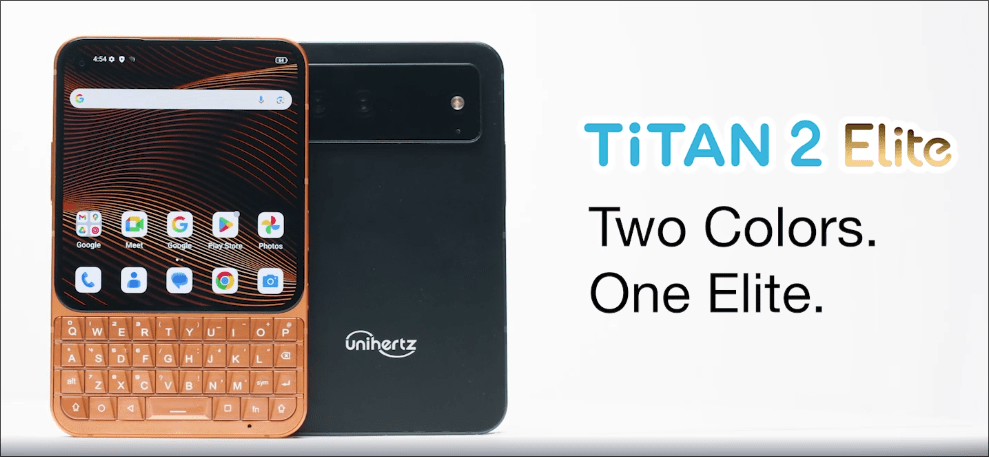
Just… look at that keyboard. Now we’re talking.
Honestly, I put off buying any other Unihertz Titan phones in the past despite their BlackBerry-like keyboards. That was because some of their designs turned out ugly, specifically how the first Titan looked like one of those “rugged” phones and the previous Titan 2 had an ugly bezel at the top with the Unihertz logo. The Titan 2 Elite, however, seems to finally fix my biggest issues with that; it looks so sleek this time around.
But Unihertz and Clicks aren’t the only options in town. The Minimal Phone, for instance, features a physical keyboard and e-ink screen, and there’s also a movement from CrackBerry enthusiasts retrofitting BlackBerry Classic devices with modern components to run modern versions of Android (I look forward to seeing where that goes).
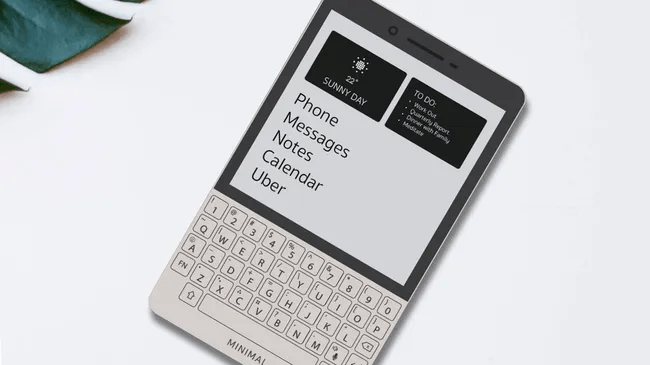
That said, we are in the midst of a PKB phone renaissance. For years now, companies have refused to provide hardware keyboards for years or simply found half-baked ways to do it like Samsung did that one time. For years, we had to either hope something would come out like the BlackBerry KeyTWO, or we would have to just deal with using the same rectangular slab with a software keyboard like everyone else.
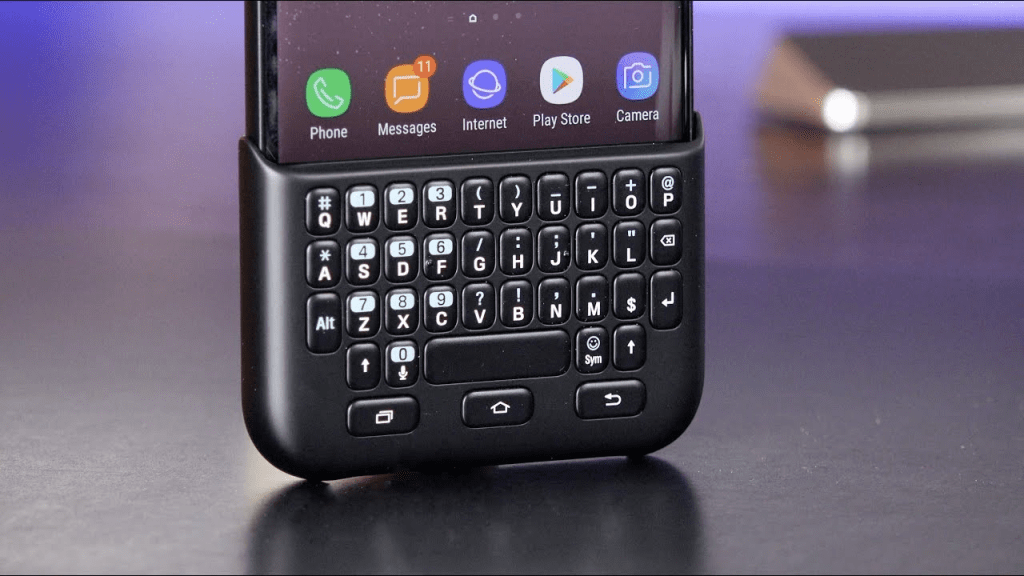
Now, fans of the PKB can finally rejoice. We have more options now than ever.
It Wasn’t Always This Way
Those old enough to remember will know that PKBs used to be much more common on early smartphones. In the mid-2000s, when smartphones seemed like a cross between a phone and a PDA, the hardware keyboard was expected. There were some dedicated all-touch devices, sure, and I even had one myself with the HTC Touch running Windows Mobile 6, but the point was this: the PKB was commonplace. When it came to keyboard quality, BlackBerry was generally regarded the gold standard in terms of key feel and features. People always recognized the style of the keyboard, the signature “frets” between the rows, and how the tactile keys responded in general. There is a reason that “CrackBerry” was a term used in the late-2000s to describe addiction to using BlackBerry phones.
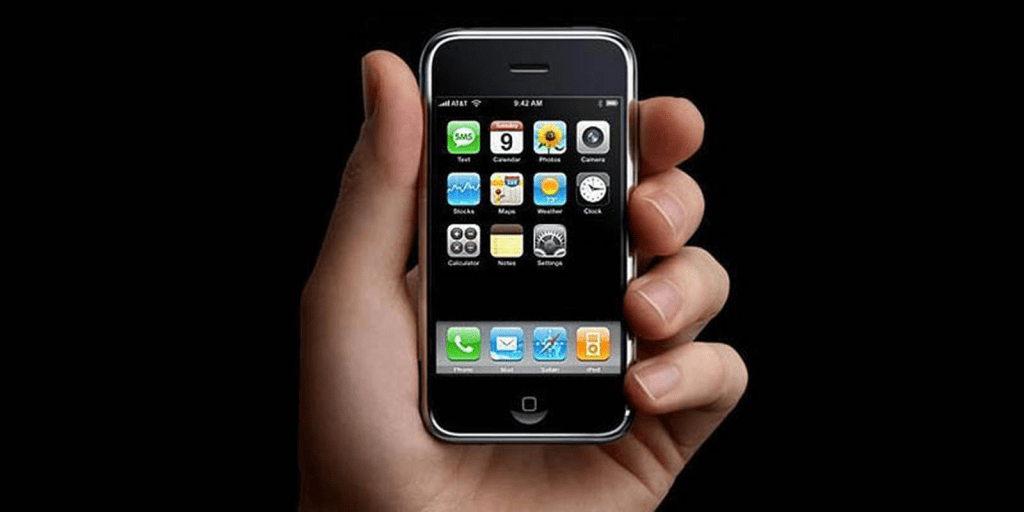
But in 2007, the first iPhone launched to critical acclaim, the succeeding model debuted the App Store, and the rest was history. Then, in 2009, the first version of Android dropped, and everybody was trying to ape the iPhone model of a rectangle form factor, finger-touch friendly screens, accelerometers detecting when the screen turned, and featuring as few hardware buttons as possible. Sure, the first Android devices were more diverse, like the HTC Dream and Motorola Droid being known for slide-out keyboards, but those phones were the exception at the time.
Software keyboards, of course, would appear on the bottom half of the screen. While typing on a glass screen was never ideal, it seemed like Apple tried their best to make it nicer with quality of life improvements over time, such as a pop-up to confirm a pressed key and better autocorrect. Before we knew it, this became the standard. Still, it was at least an easier pill to swallow on Android back then, where alternate keyboards were available. That experimental time led to some sensible keyboards like Swype or Swiftkey, although it also birthed some bizarre keyboards like 8pen.
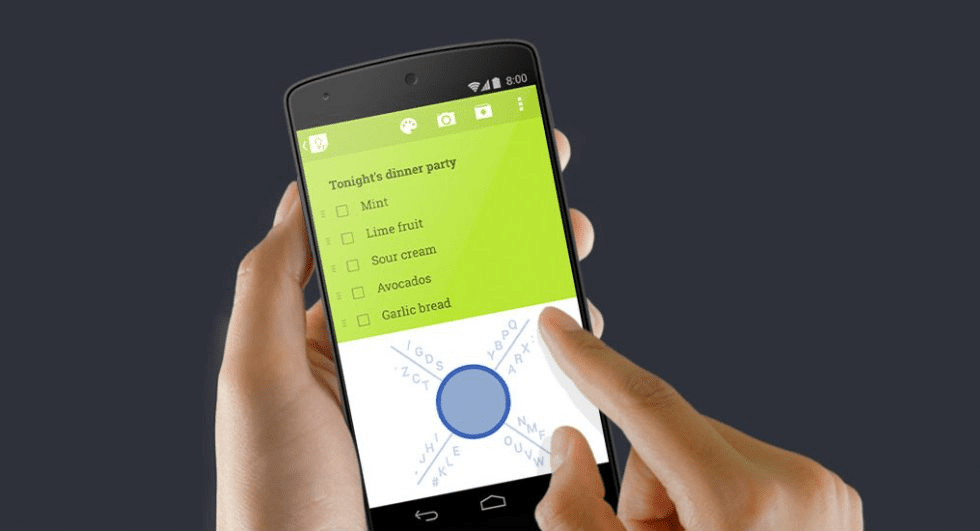
Despite how many of us prefer physical tactility, the market was shifting. Even BlackBerry tried to release the ill-received BlackBerry Storm, an all-touch device that emulated tactility, before it became perfectly obvious how the iPhone truly changed the game.
Eventually, it seemed as if PKB fans were becoming more of a minority. The market moved almost exclusively to the iPhone-like form factor during the 2010s. The hardware keyboard came off to many as an antique or a novelty. Scarce options popped up over the decade, and most of them were from BlackBerry’s attempts to stay relevant with the Q10, Classic, Passport, Priv, KeyONE, and KeyTWO. Despite the improvements BlackBerry kept making to the keyboard’s capabilities, including the touch-sensitive scrolling over the keyboard that I experienced on the Passport, the market overwhelmingly stuck with all-touch devices. In the latter-half of the 2010s, smartphones became much more homogenized with their designs, especially when HTC left the market.
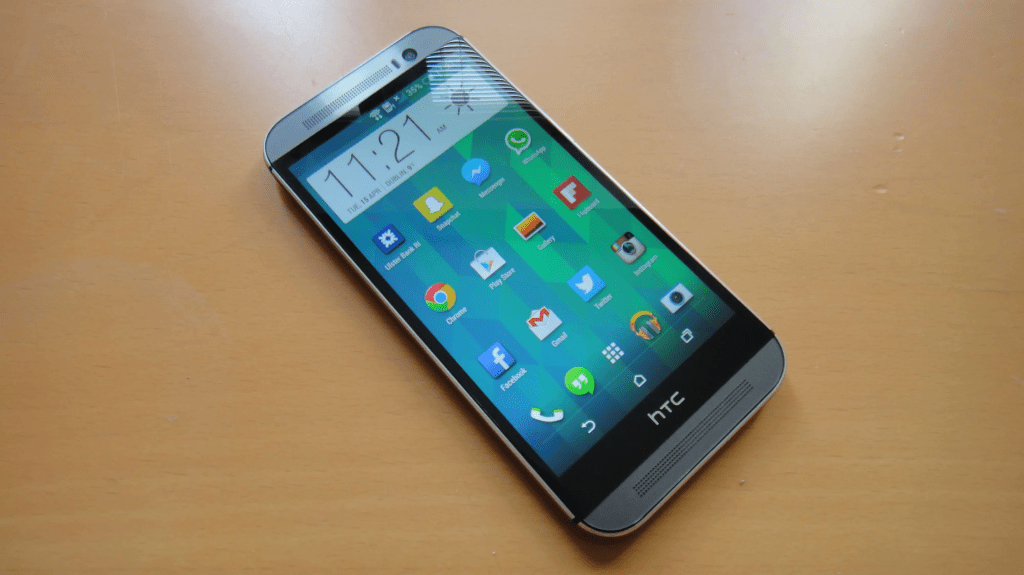
It seemed as if the market went in a specific direction and was ready to stay there. However, in current year, we are seeing more options appearing now than ever when it comes to PKBs.
What Changed?
I know I could be wrong about this (and feel free to comment or email me with a correction if you think so), but I’m going to speculate on why I think the PKB has come back into vogue to some extent.
In short, we’ve reached an age where internet access is more ubiquitous now than ever. More people are connected with their rectangular slabs now than a decade or two ago. Social media has ballooned and exploded.
Always being connected, especially without any mindfulness about how, can feel exhausting. Our rectangular smartphones are designed to bombard us with notifications, to constantly call for our attention, to force addictive engagement with “doomscrolling.”
That said, it seems that more people are finally noticing this and trying to become less connected all of the time. Thus, the “digital minimalism” movement took off, aiming to help people take back control of their attention from their smartphones. A lot of digital minimalism does involve delegating tasks you would otherwise use a phone for to a dedicated device, sure, but the objective is to use one’s phone less. Oh, but modern smartphones do have some features to help with this, such as:
- “Do Not Disturb” options
- Bedtime modes that suppress notifications at night
- Replacement launchers (mostly on Android) that suppress specific notifications such as Before Launcher or Niagara Launcher
But many people feel this isn’t enough. It has even birthed the entire niche scene of the modern “dumbphone,” an attempt to reject everything about modern phones in favor of a simple device that makes phone calls, has a few bare bones features like texting, and little, if anything, else.
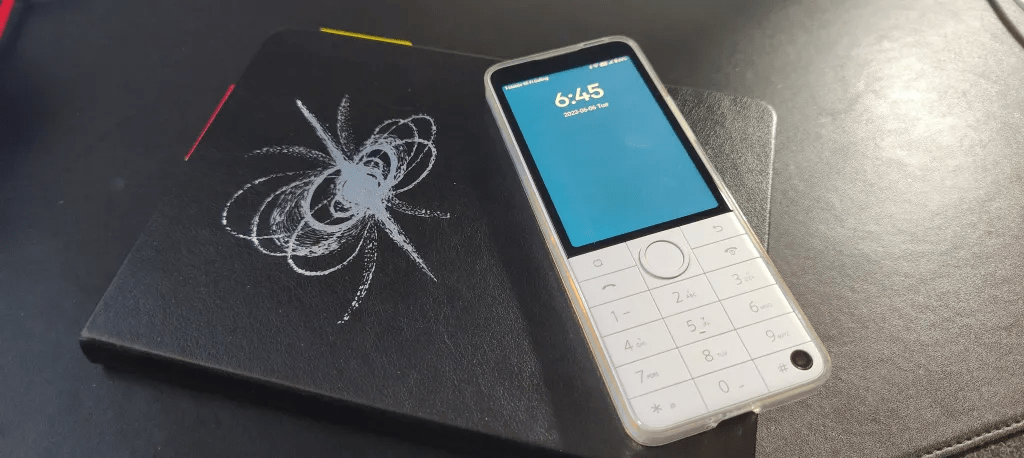
This dumbphone movement, this desire for digital minimalism, all of this may have helped revitalize overall interest in the PKB phone. After all, before the iPhone was released, smartphones were generally for productivity, for getting things done. In fact, the Clicks Communicator itself is being marketed that way! It’s described as a device to take care of tasks and messages, likely for the workplace or a personal business.
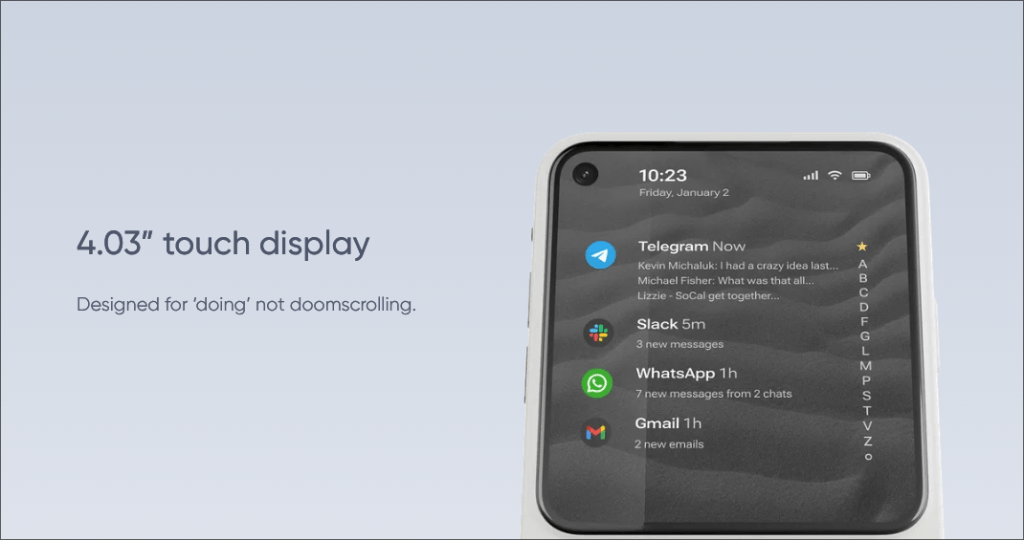
That said, switching to a dumbphone can seem a little extreme. I should know. More people simply want to return to a time when our phones served us, when we could use them productively as tools, when we could easily message others and take care of tasks.
The PKB is extremely conducive to this, and with the Communicator and Titan 2 Elite both releasing with square screens, this makes it less appealing to doomscroll when most banal and mindless content is designed to be flicked through in vertical aspect ratios. It may not theoretically solve the social media problem as a whole, as a PKB could make submitting a message on a social media site easier, but it’s another of many growing options to reclaim a time when our smartphones served us, not the other way around.
Besides that, many of us have always preferred physical tactility. In my own experience:
- I type with Topre keyboards almost exclusively for their unparalleled feel.
- I love writing on pen and paper.
- I prefer paper books to digital copies.
- I have and maintain an Antinet Zettelkasten.
- I still use my Clicks on my Pixel 9 at this time.
Where I’m Going From Here
Going back to the Communicator and Titan 2 Elite, I decided to write any of this because normally, I would have one real option for a PKB phone. However, I actually have two now. I’m not using to having options as a fan of physical keyboards.
That said, after weighing out the pros and cons here, I think I’m likely going to get a Titan 2 Elite at some point. I don’t really care about having the latest version of Android on my device all that much, so Unihertz’s history of dropping support after release doesn’t bother me. Even if it did, Clicks is releasing their first phone in the form of the Communicator, so they don’t have a track record yet either. Aside from that, the Clicks keyboard itself, the look and feel, judging from my own Pixel 9 keyboard, is just satisfactory at best. It does its job well enough, sure, but the Titan 2 Elite looks more like a BlackBerry keyboard in terms of overall design and comfort.
What about you? Have you expressed any interest in the PKB phones that have been increasingly more common over the past few years? Or do you prefer to use a regular, rectangular phone? Whichever the case, why or why not? Additionally, did you ever use a PKB phone way back in the day pre-iPhone era? Or better yet, do you think I missed something in my speculation? Whatever the case, feel free to leave a comment. I’d love to know what you think.
 Sudo Science